


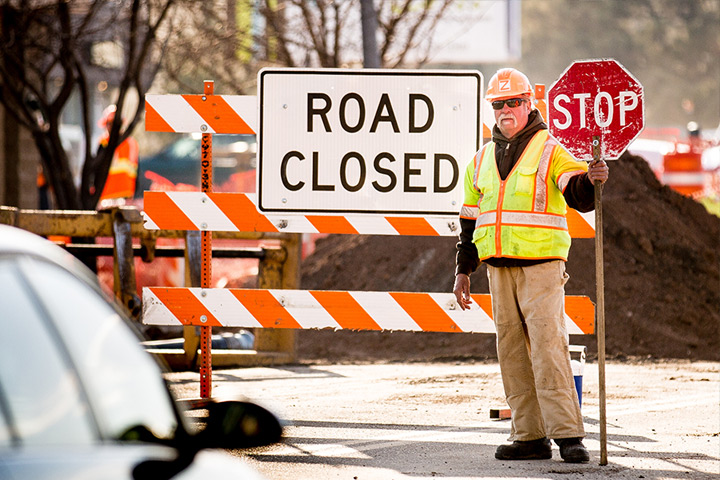
Traffic safety is the invisible scaffolding that holds cities and communities together, yet it’s never more critical, or more scrutinized, than during periods of disruption. Whether it is a construction site emerging at dawn, a one-off environmental initiative, or the surge of vehicles at a major public event, the stakes for protecting workers, drivers, and pedestrians spike dramatically. In a province like Ontario, with its busy roads and diverse projects, expert flagging and strategic lane closures are the unsung heroes behind safer journeys home.
The Growing Need for Expert Traffic Management
Urban populations keep swelling and with them, the web of cars, trucks, bicyclists, and pedestrians navigating Ontario’s arteries grows ever more complex. Every infrastructure project or community event is a flashpoint for risk. Inclement weather, distracted drivers, night work, and intricate detours all conspire to turn even short-term closures into safety puzzles that demand expert insight.
Understanding Traffic Safety Challenges in Ontario
From the congested streets of Toronto to rural highways, Ontario’s traffic safety challenges are as varied as they are relentless. Roadwork increases collision risks, impatient drivers test the patience of flaggers, and unexpected weather can turn a simple lane closure into a logistical nightmare. The margin for error is razor-thin, and the cost of a single mistake can be catastrophic.
The Role of Flagging and Lane Closures in Risk Reduction
Expert flagging crews act as the frontline defenders, guiding vehicles and pedestrians through ever-shifting patterns. Proper lane closures create predictable, safe work zones, mitigating confusion and keeping project personnel shielded from harm. When both are executed with precision, the likelihood of accidents plummets.
Case Study: Managing Road Construction with Precision Flagging
Project Overview and Safety Concerns
Consider a downtown road reconstruction in Ontario’s Greater Toronto Area. Tight timelines, heavy machinery, and a constant stream of traffic create a frenzied environment. The primary concern? Worker safety amid impatient drivers and unpredictable traffic patterns.
Implementing Flagging Strategies for Worker and Driver Protection
Expert teams deploy advance signage, uniformed flaggers, and clear detour markings. Real-time communication ensures each flagger knows exactly when to halt or release traffic. The work zone becomes a well-orchestrated ballet rather than a chaotic hazard.
Results: Efficiency Gains and Incident Reduction
With professional oversight, completion times improve. But more importantly, incident rates drop. Fewer near-misses, smoother traffic flow, and zero serious injuries become the new norm, a testament to the value of skilled flagging.
Case Study: Environmental Initiative Road Closures
Unique Challenges Presented by Temporary Lane Closures
For environmental initiatives, such as riverbank restoration, closures must often be installed at odd hours or in sensitive habitats. Here, the challenge is minimizing disruption for both the community and the natural environment.
Coordinating with Multiple Stakeholders for Seamless Traffic Flow
Successful execution hinges on cooperation. Municipal officials, conservation teams, and law enforcement work in tandem with traffic managers. Each stakeholder has unique needs, and communication is relentless until the closure is safely removed.
Measuring Success: Safety Metrics and Community Feedback
Success is measured by the absence of incidents, minimal traffic delays, and positive community feedback. Residents appreciate clear signage, timely updates, and the sense that safety, human and environmental, remained the top priority.
Case Study: Traffic Control at Large-Scale Public Events
Planning Flagging and Lane Closures for Crowd and Vehicle Management
At a provincial fair or city marathon, crowds and vehicles mix in unpredictable ways. Meticulous maps, coordinated flagging positions, and flexible lane closures are drawn up weeks in advance.
Real-Time Problem Solving During Event Day
On event day, the plan meets reality. An unplanned influx of vehicles or a medical emergency demands on-the-fly adjustments. Expert supervisors quickly redeploy flaggers and adapt route closures to maintain order.
Lessons Learned and Best Practices for Future Events
Every event leaves lessons, where signage should be clearer, where flaggers need backup radios, or how route timings can better match crowd flow. Best practices evolve, building a playbook for future safety.
Core Elements of Effective Flagging and Lane Closure Services
Importance of Trained Personnel and Professional Expertise
The backbone of any safe closure is its people. Well-trained teams know the regulations, anticipate hazards, and react calmly under pressure. Their expertise turns a risky situation into a managed process.
Utilizing Advanced Equipment and Technology
Modern fleets of illuminated signs, portable barriers, and real-time traffic monitoring tools make flagging more effective. Technology enhances visibility and communication, keeping every moving part synchronized.
Prioritizing Safety, Efficiency, and Reliability
Projects succeed when safety comes first, but efficiency and reliability matter too. Clients want a partner who is always prepared, never cuts corners, and finishes on schedule.
Collaborating for Customized Traffic Solutions
Assessing Project-Specific Requirements
No two road closures are identical. The process starts by listening, understanding the project’s geography, timelines, and unique risks.
Designing Tailored Traffic Management Plans
Based on client needs, a bespoke traffic plan is crafted, blending best practices with the specific demands of the site. Flexibility is key, as is constant communication throughout the project.
Communication and Coordination with Clients and Authorities
Seamless partnerships with municipal authorities and clients ensure every stakeholder is informed. This collaboration is central to safe, efficient project delivery.
Future Trends in Traffic Safety and Management
Innovations in Flagging and Lane Closure Techniques
The future is bright for traffic safety, with digital flagging devices, drone-assisted monitoring, and even AI-powered traffic flow analysis on the horizon.
Embracing Sustainability and Environmental Responsibility
Eco-friendly equipment, electric signboards, and strategies to reduce detour times all point toward a greener approach.
Preparing for Increasing Urbanization and Traffic Volume
As cities grow, only proactive, adaptive traffic management can keep pace. Robust planning and continuous training will be non-negotiable.
Conclusion: Delivering Safer Roads with Expert Traffic Management
Expert flagging and careful lane closures are not just technicalities but lifesaving services woven into every road project, environmental effort, or major event. The difference between chaos and calm lies in execution, whether it is reducing incidents on a construction site or managing thousands of visitors at a festival. Communities thrive when they can rely on teams dedicated to safety, efficiency, and reliability. For those seeking a proven partner, Salus Traffic safety experts demonstrate every day what true professionalism in traffic management looks like. Safe roads are not an accident; they are the result of expert planning, skilled people, and a commitment to doing things right.
