


Replacing a pond liner is one of those jobs that sounds straightforward until you are standing ankle-deep in muddy water, wondering where things went wrong. Leaks rarely show up politely. Usually, you will find that they end up draining slowly and creep in, and as a result, your balance of the pond gets ruined.
In case you are planning to replace the liner, then you need not hurry, but think about it for a while, which will save you from stress later.
Pond Relining: More Than Just a New Sheet
When it comes to pond relining, it is not simply about swapping old material for new. It is about understanding why the liner failed in the first place. This is where experienced professionals like That Pond Guy really stand out. They focus on identifying the root cause before jumping straight into a full replacement, such as:
- Aging liners
- Ground movement
- Sharp stones
- Root damage.
Sometimes a repair works. Other times, relining is the smarter long-term fix. Knowing the difference matters.
Start by Inspecting the Existing Liner
Before you remove anything, take a proper look at the current liner. Do not rush this step.
Things worth checking include:
- Cracks, thinning, or brittle areas
- Small punctures caused by stones or roots
- Edges that may have slipped or sunk over time
You will come to know after this inspection whether it is necessary to replace it completely or if there is still any scope for its repair.
Measuring Matters More Than You Think
One of the most common mistakes is ordering the wrong liner size. It happens more than people admit.
Make sure you measure:
- Length and width at the widest points
- Maximum depth
- Extra allowance for edges and overlaps
Being a little generous with measurements is far better than coming up short halfway through installation.
Choosing the Right Liner Material
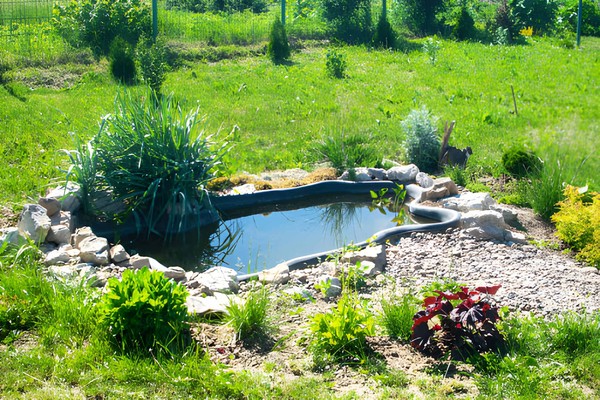
Usually, not all pond liners may always function in a similar manner. A few of them may be a little flexible or a bit tougher, and quite a few of them are much cheaper, too.
Consider:
- Durability and resistance to punctures
- Flexibility for shelves and curves
- Lifespan versus upfront cost
A good liner should last years, not just a few seasons.
Prepare the Ground Properly
Often, people end up skipping this step, which is not OK. A poorly prepared base can damage even the best liner.
Before installing:
- Remove sharp stones and roots
- Smooth the pond base carefully
- Use a quality underlay for protection
Think of it as insurance for your liner.
Do Not Forget the Fish
Your fish need temporary accommodation during the process. Clean containers, aeration, and minimal feeding help reduce stress. Avoid haste here, as it can undo all your hard work.
Timing Can Make or Break the Job
Autumn is often ideal. Cooler temperatures, less wildlife disruption, and calmer water conditions make relining far easier than peak summer chaos. Replacing a pond liner takes effort, patience, and planning, but done right, it brings your pond back to life. And honestly, watching clear water settle again makes it all worth it.
