


Meta Description
Water quality is essential to various industrial processes, commercial activities and human life. Water is vital for any application, whether it be for drinking or industrial purposes, pharmaceuticals or food processing. A carbon filter cartridge is one of the most effective filtration solutions currently available that can remove contaminants, taste and enhance water quality in general.
Understand about What is Carbon Filter Cartridge
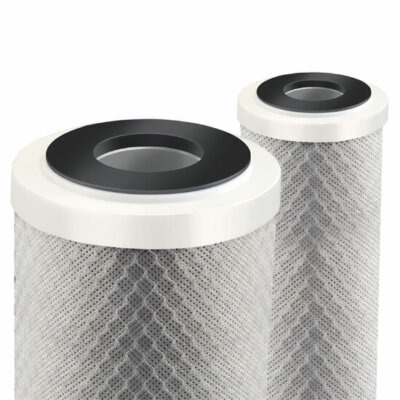
Carbon filter cartridge is a filter cartridge which is filled by activated carbon and is used for absorbing contaminants from liquids and gases. Activated carbon has a very porous structure with a high surface area which makes it very effective at absorbing contaminants.
They are typically used in water treatment systems for homes and businesses and are also found in residential, commercial and industrial filtration units. They are efficient in reducing chlorine, eliminating odors, organic compounds and other chemical contaminants, making them an attractive solution for water purification.
Discuss in-Details How a Carbon Filter Cartridge Works?
A carbon filter cartridge is made effective by a process called adsorption. Absorption involves the permanence of the substance being absorbed into a material while adsorption is the trapping of contaminants on the surface of the material containing the activated carbon.
When contacting the water:
- Unpleasant odors and chlorine are trapped.
- Organic chemicals are washed out.
- It may be reduced due to the design of the cartridge.
- Freshness and purity of water enhances.
Because of the very large network of microscopic pores, there would be a large amount of contact points where the contaminants could stick on the surface of the activated carbon while the clean water went through.
The following advantages can be obtained from a carbon filter cartridge
1. Improved Water Quality
A carbon filter cartridge is designed to greatly improve water quality and one of the major advantages of this is that of this. Removes the chlorine used in the treatment of drinking water, which may impact taste and odor in the drinking water system.
2. Improve Taste & Odor management.
Most drinking water sources have compounds which smell or taste bad. These type of contaminants are removed by the ACR, leaving fresher, cleaner water for drinking and processing.
3. Chemical Contaminant Reduction
Carbon filter cartridges can remove a variety of organic chemicals such as pesticides, herbicides, volatile organic chemicals or industrial contaminants. This is useful for commercial and industrial applications.
4. Environmentally Friendly Filtration
Chemical treatment techniques are different from carbon treatments in that they are a natural mechanism of absorption. This will help to minimize the use of supplementary chemicals and promote responsible water treatment.
5. Cost-Effective Operation
Replacing carbon cartridges is relatively inexpensive and easy. They come in various materials and configurations and are available for a wide range of applications because they have long life and have the ability to remove contaminants effectively.
The Most Common Applications of Carbon Filter Cartridges
A carbon filter cartridge can be applied to many things due to its versatility.
Water Treatment Plants
Carbon filtration is used at municipal and private water treatment plants to enhance water quality prior to distribution.
Food and Beverage Industry
Using carbon filter cartridges, manufacturers ensure that chlorine and filtering chemicals are eliminated from the product, which may impact the product’s taste, consistency and quality.
Pharmaceutical Manufacturing
In pharmaceutical manufacturing, high purity water is important. By providing a carbon filtration option, compliance with a high quality standard is also ensured.
Chemical Processing
Carbon filters can be used in industrial applications to remove unwanted chemicals from water, thereby helping to keep equipment clean and run efficiently.
Residential Water Systems
Residential homeowners use carbon filter cartridges for drinking water, under sink and for whole house filtration to enhance the taste and quality of the water.
How to Choose the Right Carbon Filter Cartridge
The type of carbon filter cartridge to use will depend on a number of factors:
Flow rate requirements
Water quality conditions
The type of contaminant(s) found
Operating temperature
The size and compatibility of cartridge and housing.
There are two different types of filters used in some cartridges: granular activated carbon (GAC) and carbon block technology. Carbon blocks are cartridges which normally offer finer filtration and high contaminant removal efficiency, which is ideal for applications where high water quality is required.
Look for few tips for maintaining and replacing your home
To maintain its best performance, it is crucial to keep this device in good working order. As active carbon “saturates” with contaminants, it becomes less effective in filtering the contaminants from the water.
To maximize effectiveness:
Follow the replacement schedule as recommended by the manufacturer.
Keeping an eye on water flow and pressure changes.
Change cartridges when water quality starts to retrogress.
Perform routine inspections on the filtration housings.
Good maintenance ensures the filter system functions at its optimum and provides long life to the filter system.
Conclusion
If you’re looking for the most effective and most dependable filtering solution to improve the quality of water for residential, commercial or industrial purposes, then you’ve found the perfect option with a carbon filter cartridge. It has been proven to be an important part of a modern water treatment system for removal of chlorine, organic materials, odors, and other contaminants.
Choosing the right cartridge and following proper maintenance procedures will enable users to have cleaner water and better water process efficiency, lower down their operational costs and contribute to the environmental sustainability. A carbon filter cartridge is a dependable system that guarantees top-notch filtration results for both purifying drinking water and filter industrial processes.
