


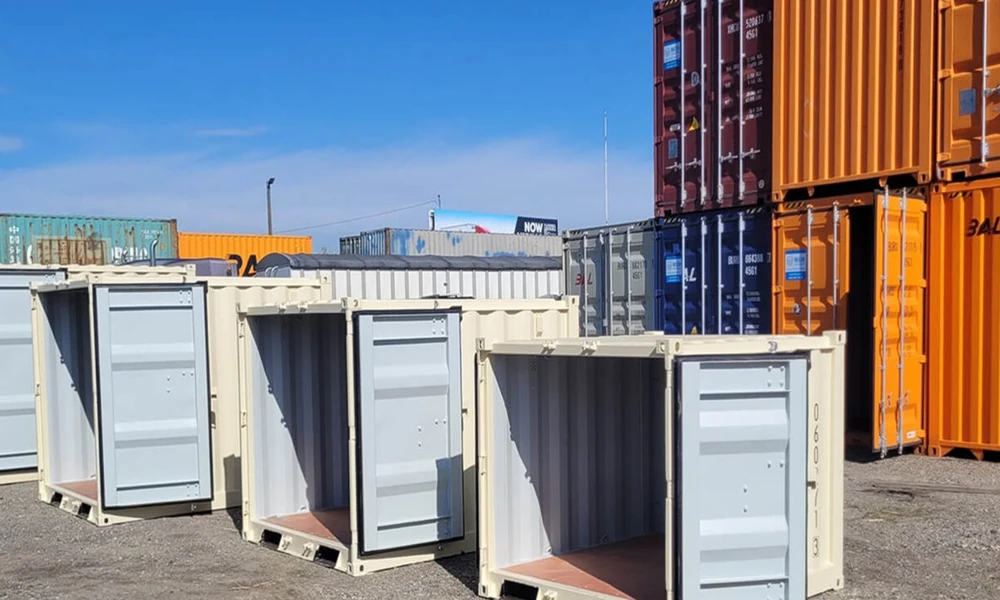
I help property owners, contractors, and business managers make smart storage decisions. You want clear answers, not filler. I base my advice on condition standards, Montana-specific delivery realities, and the total cost of ownership over time. In this guide I will explain how to choose between new and used containers, how size affects price and placement, when to rent instead of buy, and what to prepare for on delivery day.
If you are looking in Montana, start your research with a trusted local option like MoCan Containers. They serve Billings, Bozeman, and communities across the state with a large inventory, consistent inspections, and professional placement.
Why this decision matters in Montana
Montana weather is tough on metal. Snow load, freeze-thaw cycles, and wind make container condition a key factor. If you choose the right grade and size, you get secure, dry storage for years with little upkeep. Choose poorly and you may face door issues, seal wear, or accelerated rust. That is the real difference between new and used: not just looks, but how the container handles exposure, site access, and your workload.
What “new” really means
Most “new” containers in the US are one-trip units. They were built overseas, used once for freight, then sold into the domestic market.
What to expect from a new one-trip container:
- Minimal cosmetic wear
- Fresh paint and intact factory seals
- Straight walls and square doors that close smoothly
- Maximum remaining life for long-term storage or custom builds
Choose new if:
- You plan to keep the container for 10 years or more
- You need a clean look near a home or storefront
- You want the tightest seals for sensitive items or records
- You plan custom shipping container modifications that benefit from a cleaner starting point
What “used” really means
A quality used unit is wind and watertight. It will show surface rust, scuffs, and dents, yet it should keep your items dry and secure.
What to expect from a used container:
- Solid structure with some cosmetic wear
- Weather seals that pass a light test and water test
- Lockable cargo doors that may feel heavier but still close properly
Choose used if:
- Your budget is tight
- You need rugged storage on a ranch, farm, or construction site
- Appearance matters less than function
- You want the lowest cost per square foot for tools, materials, or feed
The right size: 20-foot vs 40-foot
Both sizes are common for shipping containers in Montana and work well for residential container storage, construction site storage containers, and business inventory storage.
20-foot containers:
- Interior about 19’4″ L x 7’8″ W x 7’10” H
- Easier to place in neighborhoods and tight job sites
- Good for container storage for moving, remodels, or seasonal storage containers
- Rental rates in Montana often start around $150 per month
40-foot containers:
- Interior about 39’5″ L x 7’8″ W x 8’10” H
- Nearly double the storage of a 20-foot unit
- Common for warehouse overflow, large construction projects, and farm storage containers
- Rental rates in Montana often start around $190 per month
Tip: If you expect your storage needs to grow, a 40-foot container usually offers a lower cost per cubic foot. If access is tight, a 20-foot unit reduces headaches.
Rent or buy: a simple way to decide
Renting works best for short-term or variable needs:
- Home projects, renovations, or relocations
- Seasonal business cycles or inventory peaks
- Short-term construction staging
- Trial period for site layout and access
Buying pays off for long-term storage solutions:
- Ongoing ranch storage solutions for seed, feed, or equipment
- Permanent construction yard storage
- Dedicated business inventory storage
- Custom projects like workshops or offices
For shipping container prices in Montana, expect variation based on size, condition, and market supply. New one-trip units cost more upfront but carry longer useful life. Used wind and watertight containers reduce upfront cost and still deliver secure storage containers for most uses.
Delivery and placement tips for Montana sites
Good placement makes ownership easier. Here is how I advise clients to prepare for container delivery in Montana:
- Provide clear space:
- About 70 feet for a 20-foot container
- Around 100 feet for a 40-foot container
- Ensure firm, level ground. Use compacted gravel or timbers under the corner castings.
- Plan door orientation. Face doors toward your workflow, not toward a slope or snow drift zone.
- Check overhead clearance. Avoid tree limbs, power lines, and building eaves.
- Think winter. Snow melt can create soft ground. Gravel pads help prevent sinking and door drag.
- Confirm road access. Rural roads and tight driveways can limit trailer approach angles.
- Be present if possible. You can guide final placement to match your equipment paths and loading zones.
MoCan Containers uses tilt-bed trailers and experienced drivers who can place containers in tight Montana locations. Their delivery range includes Billings, Bozeman, Yellowstone County, Gallatin Valley, Paradise Valley, and much of eastern and central Montana.
Uses that fit Montana life
You can match a container to almost any storage need across ranches, farms, homes, and businesses:
- Residential: moving, remodeling, garage overflow, seasonal gear
- Construction: tools, materials, equipment, secure site storage
- Agriculture: seed, feed, fencing, irrigation parts, machinery
- Business: retail overstock, e-commerce inventory, records
- Projects: workshops, offices, retail kiosks, gear lockers
New containers suit public-facing projects and detailed custom builds. Used containers handle rugged job sites and backlot storage with ease.
How to compare providers
Use this checklist before you decide:
- Inventory depth in Montana and the ability to choose your exact unit
- Clear photos or in-person inspections before purchase
- Verified wind and watertight standards
- Transparent rental terms and fair pickup fees
- Professional delivery with guidance on site prep
- Options for custom shipping container modifications
MoCan Containers stands out because they maintain a large inventory in Billings and near Bozeman, allow customers to select the exact container, and back it with professional delivery. That combination reduces risk and helps you match budget, size, and condition to your site.
Quick buying guide
Follow these steps to avoid surprises:
1. Pick size first based on access and storage volume.
2. Decide on new one-trip vs used wind and watertight by balancing budget, appearance, and long-term plans.
3. If your timeline is short or your needs will change, start with a rental.
4. Prepare the pad and approach path before delivery day.
5. Confirm door swing direction and final placement.
6. Add a quality lock and simple ventilation if needed.
Local focus: Billings and Bozeman
If you are searching for shipping containers Billings MT or shipping containers Bozeman MT, local inventory and quick delivery shorten lead times and lower delivery costs. For broader searches like shipping containers Montana or shipping containers for sale Montana, compare local availability, condition verification, and placement expertise rather than chasing the lowest sticker price.
Bottom line
New containers offer the cleanest condition, longest life, and easiest door action. Used containers cut cost while staying wind and watertight for everyday storage. Choose size by access and volume, rent for short projects, and prepare your pad for a smooth delivery. If you want a straightforward path in Montana, consider a local specialist with reliable inventory, fair pricing, and skilled drivers. That is why I point readers to a provider like MoCan Containers for container rentals, purchases, and delivery across the state.
