


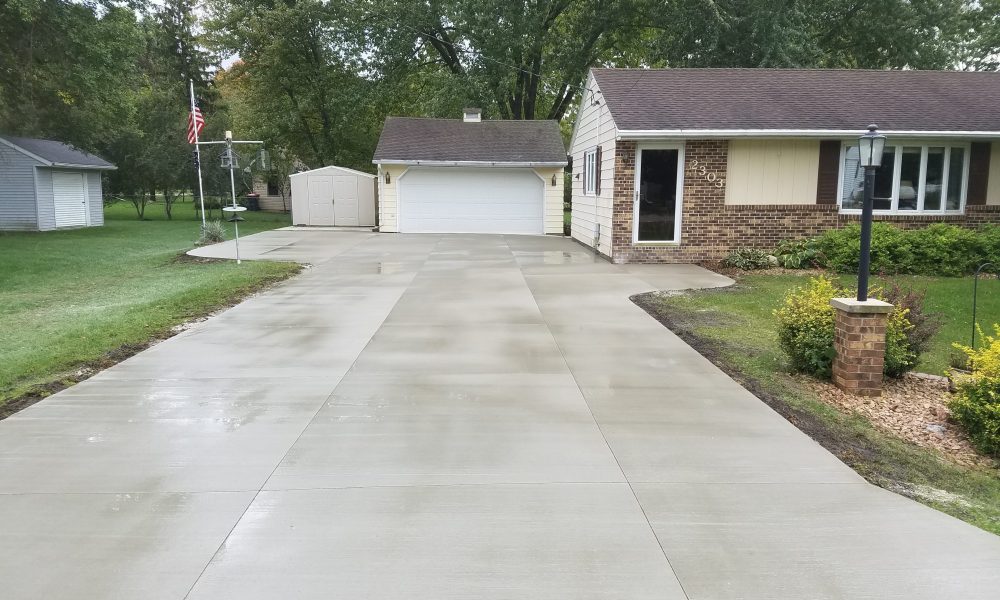
Every contractor working today started somewhere without the experience that makes complex projects run smoothly. That progression is normal across every trade. What matters for homeowners making a selection decision is knowing what experience actually produces in terms of project outcomes and why the gap between a seasoned operator and a newer one shows up so clearly in concrete work specifically? The material itself is unforgiving in ways that make accumulated hands-on knowledge worth considerably more than it might be in other home improvement categories.
Reading site conditions
concrete driveway contractor have encountered a variety of soil conditions, drainage challenges, and access issues while pouring concrete for residential driveways. Formal training alone cannot develop diagnostic capability. Experienced contractors read a site during the initial assessment and identify factors that will influence the project outcome. This is before a single measurement is taken.
The sub-base depth and preparation for clay soils that expand and contract seasonally differ from stable compacted soils. High water tables require drainage solutions from the beginning. Properties where existing tree roots run under the proposed driveway area require decisions about root management that affect both the installation approach and the long-term slab integrity. Contractors who have navigated these conditions before handle them as known variables. Those encountering them for the first time treat them as surprises.
Timing and sequencing knowledge
Concrete finishing is time-sensitive in ways that create no margin for hesitation or uncertainty. Depending on the temperature and humidity conditions, it takes minutes for the concrete surface to reach the right consistency for stamping or texturing. Those who work under such conditions repeatedly become accustomed to taking action when the time is right. Experienced contractors sequence project phases to prevent problems:
- Sub-base inspection completed and confirmed before forms go up, rather than after
- Form alignment checked against drainage grade before pour day to catch discrepancies early
- Concrete delivery scheduled around forecast conditions rather than locked in regardless of weather
- Crew positioning planned for the specific slab layout so finishing coverage stays ahead of set time
- Curing protection staged and ready before the pour begins, rather than sourced after the surface is down
Problem resolution capability
Something unexpected happens on most construction projects, regardless of how thoroughly they get planned. An experienced contractor’s value in those moments comes from having encountered similar situations previously and knowing which responses work. A crew working through their first few residential driveways makes decisions under pressure without that reference library to draw from. Experienced contractors also carry established relationships with suppliers, equipment providers, and specialist subcontractors that newer operations haven’t built yet. When a concrete delivery arrives with mix characteristics that don’t match the order, knowing whom to call and what to request gets resolved faster by someone with years of supplier history behind them.
Portfolio as evidence
The validity of experience claims is difficult to verify without looking at actual work. An experienced contractor has a portfolio that includes a variety of project types, finishes, and site conditions. When you ask to see driveways installed two or three years ago, rather than only recent completions, you get a better idea of how well their work holds up over time. That aged portfolio view is the closest thing to a performance guarantee that the selection process actually offers.
