


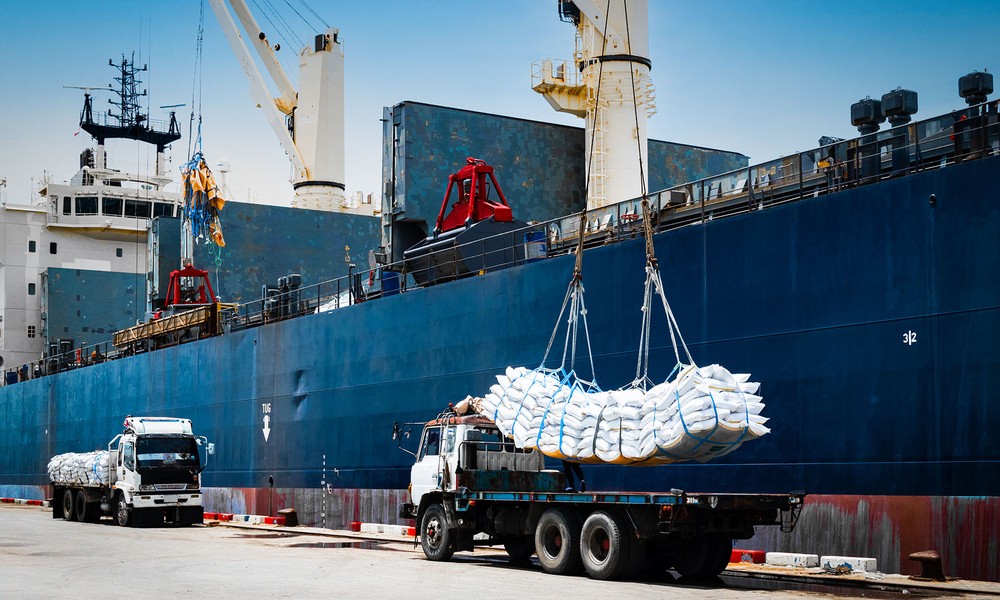
Cargo holds creak open, clouds of dust billow from conveyor belts, and millions of dollars in product are at stake with every shipment. In bulk cargo handling, especially with sensitive products like fertilizer and sugar, one overlooked detail can mean contaminated stock, lost profits, or even legal battles. The margin for error is razor-thin, but continuous supervision can make the difference between a seamless operation and a logistical nightmare.
The Critical Role of Continuous Supervision in Bulk Cargo Handling
From dockside to delivery truck, the journey of bulk cargo is anything but simple. Fertilizer and sugar, for example, are highly susceptible to moisture, caking, and foreign matter. A single misstep during unloading can taint an entire consignment. That is why a dedicated inspector never lets their guard down, scrutinizing every stage for potential contamination.
Understanding Bulk Cargo Risks: Fertilizer and Sugar as Case Examples
Unlike boxed or palletized goods, bulk cargo is loose and exposed, making it more vulnerable to environmental factors and cross-contamination. Fertilizer, for instance, can absorb ambient moisture and start caking within hours. Sugar, on the other hand, is extremely sensitive to water infiltration, which can lead to rapid spoilage or the formation of hard clumps that are impossible to process.
Common Contamination Challenges in Bulk Cargo Unloading
Some of the most frequent threats include:
– Residual materials left in conveyor belts or hoppers from previous shipments
– Water ingress from rain, condensation, or damp surfaces
– Foreign debris such as rust, oil stains, or even insect infestation
A lapse in supervision at any moment risks compromising an entire shipment.
Pre-Discharge Inspection: Setting the Stage for Quality
Before the first shovelful of cargo is touched, a meticulous inspection unfolds. This isn’t a box-checking exercise, it’s a high-stakes assessment to prevent small issues from spiraling into full-blown losses.
Visual Checks for Moisture, Caking, and Discoloration
Inspectors scan the cargo for obvious warning signs. Moisture patches, discolored streaks, or strange odors spell trouble. If caking or pulp is detected, discharge is paused immediately for further investigation.
Equipment and Environment Inspection: Conveyor Belts, Hoppers, and Trucks
The equipment is just as critical. Conveyor belts must be clear of residue, hoppers dry and spotless, and trucks clean and mechanically sound. Even traces of a previous cargo or a bit of rainwater can contaminate the next load.
Case Example: Detecting Early Signs of Contamination
Consider an inspector who notices a film of condensation inside a hopper. Before unloading begins, operations stop, the issue is photographed, and corrective action is taken. That single moment of diligence prevents an entire shipment from being compromised.
Real-Time Monitoring During Discharge Operations
Once unloading starts, the inspector’s vigilance doesn’t waver. Real-time monitoring ensures immediate response to issues as they arise.
Continuous Quality Observation Techniques
Inspectors don’t just watch, they actively monitor for changes in appearance, texture, and smell. Photos document every stage, providing evidence for later review. If anything looks amiss, the operation stops instantly.
Identifying and Responding to Contamination Incidents
When contamination is suspected, discharge halts for a full assessment. Stakeholders are informed, samples are collected, and, if necessary, a letter of protest is issued. This fast intervention limits the extent of any potential damage.
Case Study: Stopping Discharge to Prevent Cargo Damage
During a fertilizer unloading, an inspector spots granular discoloration, a sign of chemical contamination. Operations are stopped, the affected cargo is isolated, and a detailed report is sent to all parties, averting disaster for the client.
Documentation and Communication: Ensuring Accountability
A paper trail is invaluable in bulk cargo operations, and effective documentation keeps everyone accountable.
Photographing and Reporting Unusual Circumstances
Every anomaly is captured on camera and described in a report. These records are invaluable if disputes arise later.
Issuing Letters of Protest and Informing Stakeholders
If damage or contamination is observed, stakeholders receive prompt notification. A letter of protest may be issued, clearly stating the concern and actions taken.
Real-World Scenario: Effective Incident Communication
Imagine a truck arrives with a cracked bed, risking water infiltration. The inspector documents the issue and immediately notifies the receiver, ensuring swift corrective action.
Post-Discharge Assessment and Follow-Up
Once unloading is complete, the process isn’t over until the final checks are done.
Damage Assessment and Quantification
Inspectors evaluate any losses, quantifying damaged product and its probable cause.
Final Quality Confirmation Before Release
No cargo is released until it meets quality standards. This last checkpoint ensures clients receive what they paid for.
Lessons Learned from Past Discharge Operations
Reviewing past incidents allows teams to update protocols and avoid similar mistakes in the future.
Benefits of Continuous Supervision for Stakeholders
Vigilant supervision pays tangible dividends.
Protecting Cargo Integrity and Value
Continuous oversight keeps product quality high, preventing costly claims and reputational harm.
Enhancing Operational Efficiency and Safety
Early detection of issues reduces downtime and streamlines every step of the process.
Building Trust with Clients Through Transparent Practices
Thorough documentation and transparent reporting build confidence among shippers, receivers, and insurers.
Implementing Continuous Supervision: Best Practices and Tools
Inspection is both an art and a science, improved with proper protocols and technology.
Training Inspectors and Defining Protocols
A well-trained inspector recognizes subtle warning signs and follows strict checklists.
Leveraging Technology for Real-Time Monitoring
Digital photography, remote sensors, and cloud-based reporting tools make supervision faster and more accurate.
Sea Sob’s Approach: A Proven Model for Bulk Cargo Inspection
Industry leaders recognize the value of expert supervision. The Sea Sob fertilizer unloading supervisor offers a prime example, using methodical inspections, real-time monitoring, and detailed reporting to ensure every shipment arrives in pristine condition.
Constant vigilance is the backbone of safe, efficient bulk cargo handling. When every link in the chain is closely watched, contamination is kept at bay, and cargo arrives as promised.
