


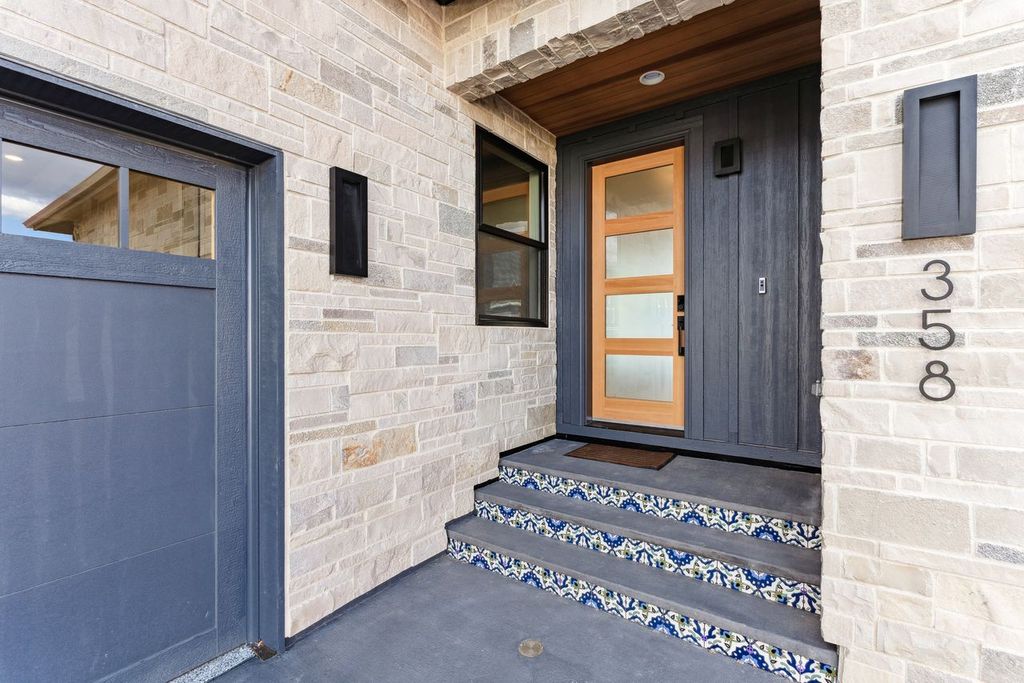
Precise, well-designed house numbers are more than just an address, they are the subtle signature that shapes a home’s curb appeal. Yet, even small mistakes in planning, materials, or installation can undermine the perfect finish. From faded digits to numbers askew, the problems are as varied as the houses themselves.
The Importance of Precision in Custom House Numbers
What can a single detail do for an entire home? In Montreal, one homeowner witnessed firsthand how expertly crafted house numbers transformed a dated façade into an inviting, modern marvel. The new numbers aligned flawlessly with the home’s design, catching the light by day and guiding guests by night. That before-and-after revealed an undeniable truth: precision is everything.
Accurate measurements are the unsung hero in this success. Skewed or uneven placement not only stands out for all the wrong reasons but can also force costly do-overs. Measuring twice (or even three times) before drilling or affixing ensures that every digit sits level and spaced exactly as intended. For anyone aiming for professional results, a simple miscalculation is often the root of installation issues.
Material Selection and Its Impact on Durability
A house number will endure every season, so choosing the right material is crucial. In coastal areas, harsh winds and salty air can wreak havoc. A family on Canada’s east coast learned this the hard way when their handsome wooden plaque, installed in spring, showed swelling and faded paint by winter. They soon swapped it for powder-coated metal, which shrugged off the elements and maintained its sharp look year after year.
The choice between metal, acrylic, and wood comes down to local climate and desired longevity. Metal offers sturdiness and resists fading, while acrylic brings modern shine and is lightweight. Wood wins for classic charm, but only if it is properly sealed and regularly maintained. For exposed homes, investing in durable materials pays off over time.
Common Installation Pitfalls and Solutions
A number set that sits askew or wobbles with every gust makes a strong case for careful installation. One Montreal homeowner faced the embarrassment of crooked mounting after a DIY attempt, only to have professionals realign and anchor the numbers using a level, masonry drill, and heavy-duty fasteners. The fix was quick, but it underscored a critical lesson: the right tools and steady hands make all the difference.
For a secure, level placement, essential tools include a spirit level, a sturdy template for spacing, and weather-resistant screws or anchors appropriate to your surface (brick, siding, or stucco). Dry-fit everything before committing, then double-check alignment from both close up and the curb.
Addressing Visibility and Legibility Concerns
What good are house numbers if no one can see them? One homeowner grew frustrated when pizza deliveries and guests repeatedly drove past at night. Their solution was a subtle upgrade, integrated backlighting beneath sleek metal digits. The result was striking: numbers visible from the street after dark, with a pleasing glow that fit the home’s style.
Choosing the right font and size also plays a vital role in legibility. Script or overly decorative fonts may look unique but can be unreadable from a distance. Sans-serif fonts in bold, high-contrast colors work best, especially when combined with direct or indirect lighting for nighttime clarity.
Dealing with Environmental and Maintenance Challenges
Weather is relentless, whether it’s Montreal snow or salty Atlantic air. One coastal case involved metal numbers that started rusting where the paint chipped, leading to unsightly streaks. The fix was regular cleaning, prompt touch-ups, and a switch to stainless steel hardware that resisted corrosion.
Routine maintenance keeps custom numbers looking sharp. A seasonal wipe-down with soapy water, checking for loosened fasteners, and an occasional coat of protective sealant (for wood or painted surfaces) go a long way in preventing rust, fading, and peeling.
Customization Errors and How to Avoid Them
Even the most beautiful materials and careful mounting can be undone by simple design errors. One homeowner realized too late that their digits were spaced too far apart, making “123” look like “1 2 3”. The correction involved reordering the plaque, but this time, they worked closely with a specialist to review every detail before production.
Collaboration with experienced professionals, like those at Orthografica signs, helps prevent these mistakes. Their expertise in layout, spacing, and proportion ensures that custom designs look intentional and harmonious.
Troubleshooting Unexpected Issues After Installation
Sometimes, problems surface after the dust has settled. A homeowner noticed the paint peeling from their numbers, while another found screws loosening over time. Both cases were quickly fixed: a gentle sanding and repainting restored the finish, and switching to longer anchors kept the numbers secure. Keeping a small kit of matching paint and spare hardware can make future touch-ups a breeze.
Final Checks for a Flawless Finish
Before stepping back to admire the finished project, take a final walkthrough. One delighted homeowner did just that, scanning from every angle and at different times of day to ensure nothing was askew or shadowed. Their attention to detail paid off, earning compliments from neighbors and visitors alike.
A simple checklist for perfection:
– Confirm numbers are level, straight, and evenly spaced
– Inspect all fasteners for tightness and security
– Test nighttime visibility (add lighting if needed)
– Review from the street for overall impact
When each detail is addressed, custom house numbers truly become the finishing touch that elevates a home’s identity.
